How Fast Does Mold Grow After Water Damage?
'How fast does mold grow?' is the question behind every water-damage decision, because it sets the deadline. The short answer used across the restoration industry: on wet drywall, wood, and dust — in a warm, damp cavity — growth can begin within 24 to 48 hours. The useful answer is what that means for your home and your timeline.
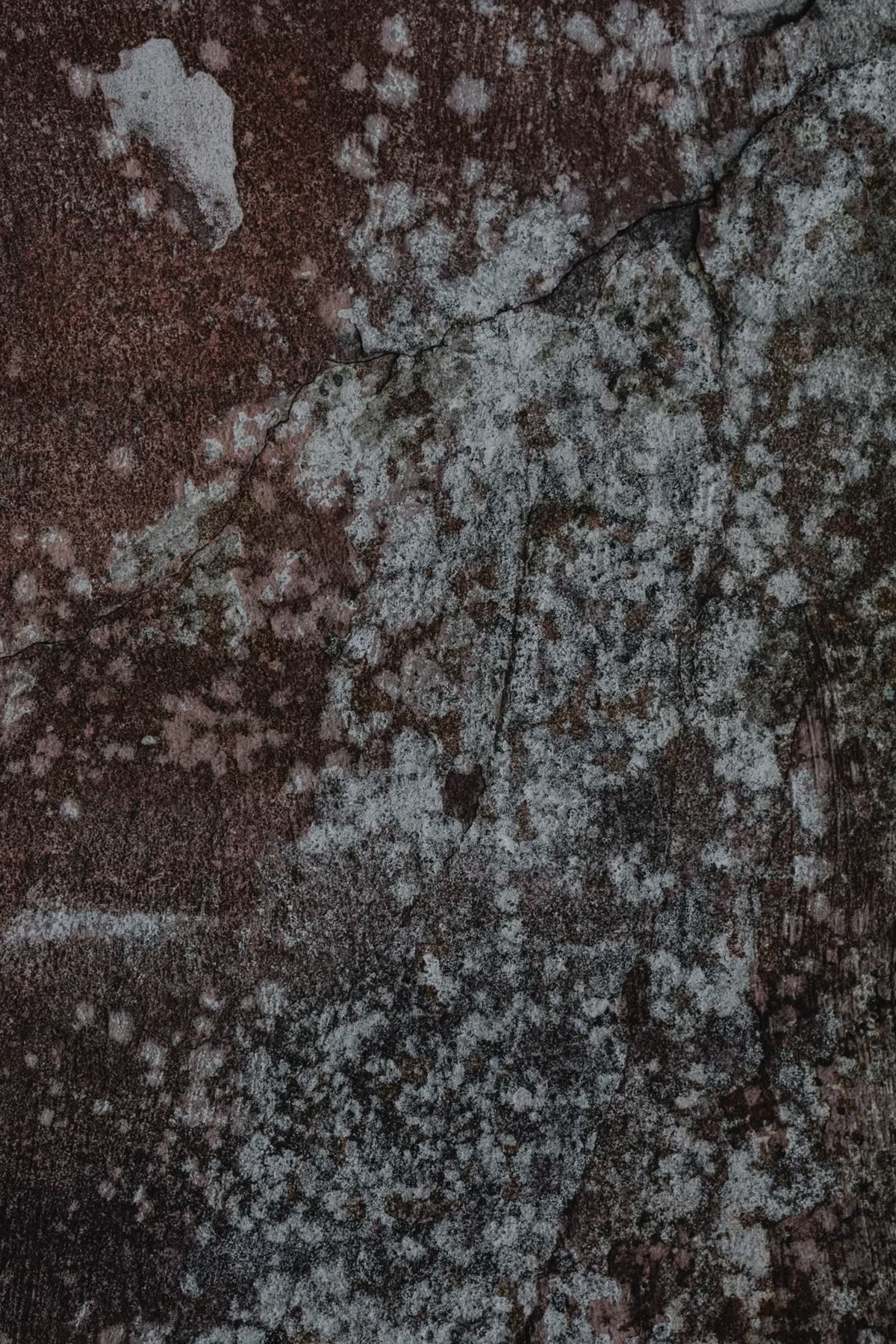
What mold actually needs
Spores are already everywhere; they are waiting for moisture and food. Wet drywall paper, OSB, carpet pad, and insulation provide both. That is why the race is about drying materials, not killing spores — dry structures do not grow mold, and wet ones reliably do.
Where it grows first in Spokane County homes
Inside wall cavities fed by slow supply-line leaks (the Liberty Lake kitchen-leak pattern), in crawlspace insulation after pipe leaks (the Greenacres and Valley pattern), behind basement drywall after spring seepage, and in closed-up Newman Lake cabins after winter leaks. Notice the theme: hidden, undisturbed, and wet for days — visibility is not a reliable test.
Why 'spray it' is not a plan
Surface sprays do not dry a wall cavity or penetrate saturated drywall, and they add liquid to a moisture problem. Small surface growth on hard, non-porous materials (tile, glass, metal) is a cleaning task. Growth in or on porous building materials, or over a large area, needs containment, removal, and drying — our mold remediation page explains the scope.
Your actual deadline
Extraction today, drying equipment running tonight, and verified dry readings within days: that sequence keeps most clean-water losses out of remediation territory. Every day of 'letting it air out' with household fans spends the 24–48 hour window without reliably drying cavities. When in doubt, get moisture readings — they replace worry with facts.
Keep reading
What to Do in the First Hour of Water DamageFrozen Pipes: A Liberty Lake Winter GuideBasement Flooding & Snowmelt in Spokane County