Documenting Water Damage for Insurance
Insurers pay for what you can prove. Water damage gets cleaned up fast — as it should — which means your documentation in the first day is often the only evidence of the loss at its worst. Fifteen disciplined minutes protects thousands of dollars of claim.
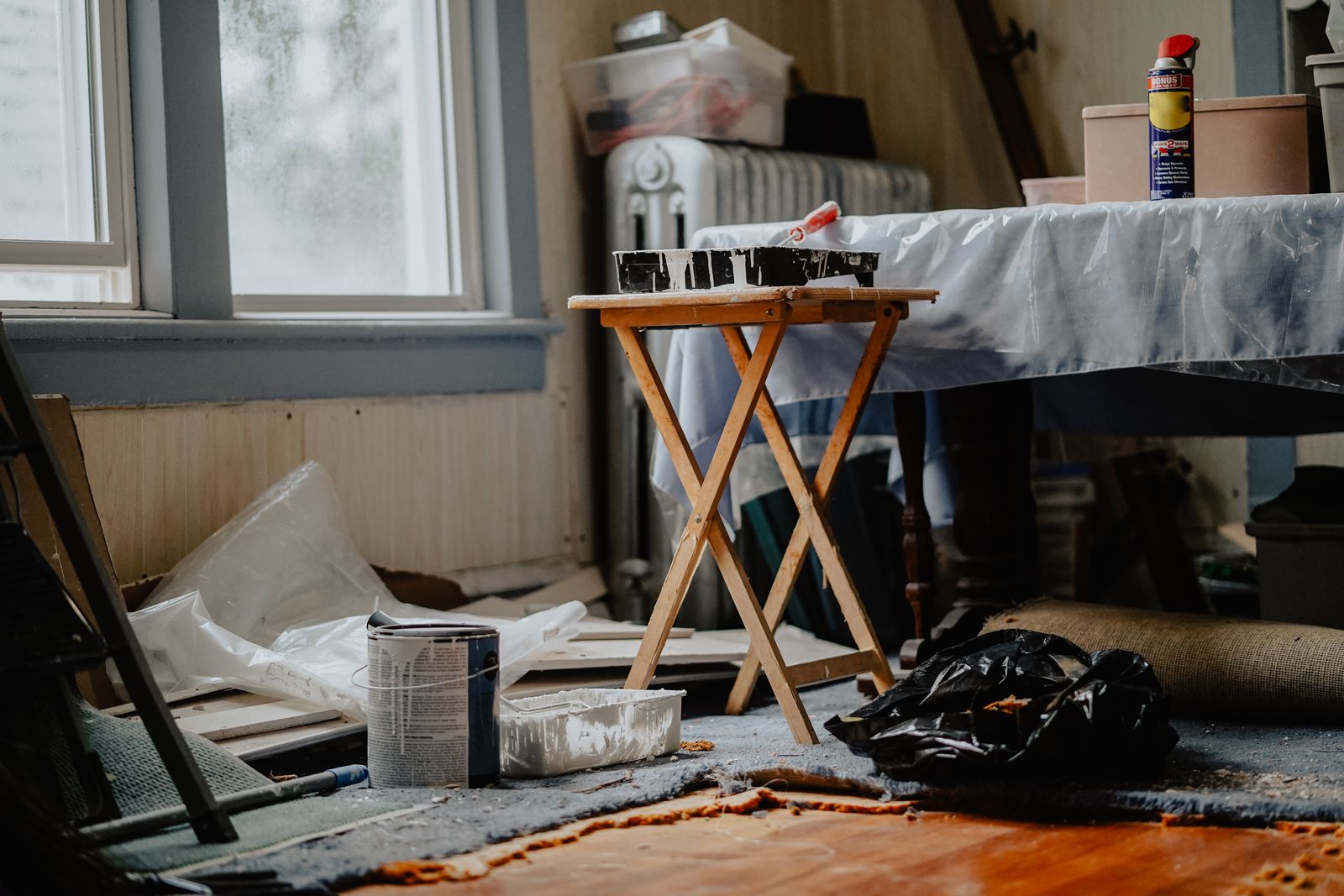
Photograph in a system, not a scramble
Start wide: each affected room from the doorway. Then mid-range: damaged walls, floors, and contents in place. Then close: the source (split pipe, failed hose, heater base), water lines and staining, serial/model plates of failed appliances, and meter readings if relevant. Video a slow walkthrough narrating what you are seeing and when you found it. Do this before cleanup moves anything.
Build the contents list while it is fresh
List damaged items room by room with approximate purchase date and replacement cost — adjusters work from lists, not memories. Photograph damaged contents before disposal, and do not throw away building materials or the failed part (a burst hose, a split pipe section) until your adjuster releases them.
Keep the paper trail
Save every invoice: extraction, drying, plumbing repair, temporary lodging, and replacement purchases. Log dates and names for every call with the insurer, the restoration company, and any contractor. Professional drying generates moisture records and daily logs — ask for copies; they substantiate both the damage and that you mitigated promptly, which your policy requires.
Know your coverage buckets before the adjuster visit
Sudden and accidental discharge (burst pipe, appliance failure) is commonly covered. Rising outside water (flood) needs a separate flood policy. Sewer backup and sump failure usually need endorsements. Groundwater seepage is often excluded. Read your declarations page, and if a denial seems wrong, you can ask for the policy language behind it in writing.
Mitigate first, argue later
Your policy obliges you to prevent further damage — so start extraction and drying even while claim details are pending, and keep the receipts. Waiting for permission while mold grows is the costliest mistake Spokane County homeowners make.
Keep reading
What to Do in the First Hour of Water DamageFrozen Pipes: A Liberty Lake Winter GuideBasement Flooding & Snowmelt in Spokane County